
Giải chi tiết đề thi thật IELTS Writing 2024 – Từ Band 6.0 đến 8.5
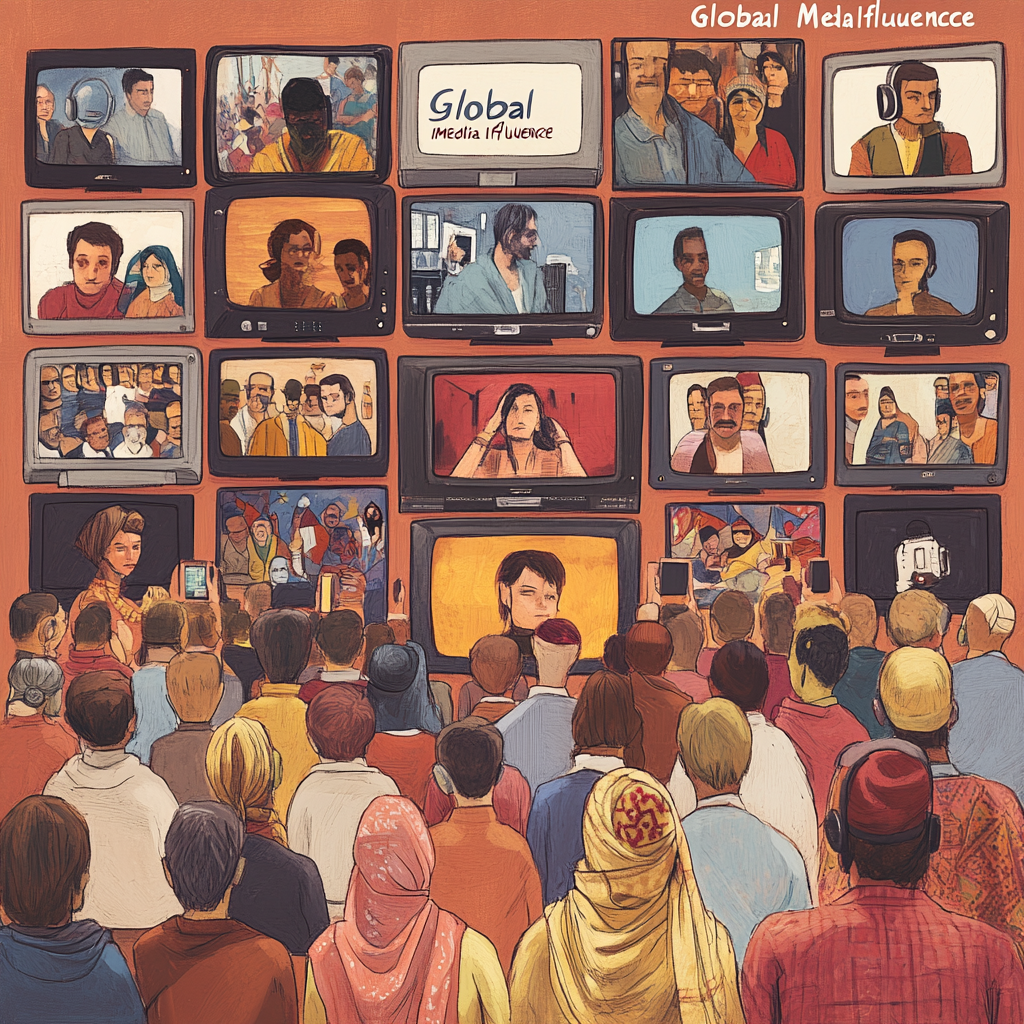
TASK 2: Differences between countries are becoming less evident. Nowadays people are watching the same films, fashion, brands, advertisements and TV channels. To what extent do the disadvantages of this outweigh the advantages?
Band 6.0-6.5 Version
In today’s world, many people from different countries are watching the same movies, fashion, brands, and TV channels. Some people think that this is a good thing because it helps people understand each other better. However, others believe that it causes countries to lose their cultural uniqueness. This essay will discuss both sides, and I will argue that the disadvantages of this trend are greater than the benefits.
On the one hand, watching the same films and TV channels can make people feel more connected to each other. When people from different countries enjoy the same things, they may feel that they have more in common. This can lead to better understanding and fewer conflicts between countries. For example, many people enjoy Hollywood movies, which are popular all around the world. This can create a sense of global unity.
On the other hand, this trend can also have negative effects. When people in every country watch the same content, they may forget about their own traditions and culture. Local filmmakers and fashion designers may struggle to succeed because people prefer global brands. Over time, this could lead to the loss of cultural diversity. For instance, traditional clothing and local films may become less popular, which could harm the economy of some countries.
In conclusion, while watching the same global content can bring people closer together, it also makes the world less culturally diverse. In my opinion, the disadvantages of losing cultural uniqueness outweigh the advantages of global unity.
Word count: 236 words
Band 7.0-7.5 Version
In the modern world, the differences between countries are becoming less pronounced as people across the globe are exposed to the same films, fashion, brands, and TV channels. While some argue that this creates a more connected world, others worry that it may erode cultural identities. This essay will discuss both perspectives, but I believe that the drawbacks of this trend outweigh the benefits.
On the positive side, consuming the same media and products can foster a sense of global community. When people from various nations share similar interests, it can lead to better communication and understanding between different cultures. For instance, international blockbusters or popular fashion trends can create common topics of discussion, bridging cultural gaps. This can result in increased tolerance and cooperation among countries.
However, the global spread of identical media and products also has significant downsides. One major issue is the loss of cultural uniqueness. When global brands and entertainment dominate, local traditions, languages, and customs can be overshadowed. This homogenization can diminish the richness of cultural diversity that has long defined different regions. For example, traditional music, films, or clothing styles might be replaced by more mainstream, international trends, which could negatively impact local industries and economies.
In conclusion, while the spread of global culture can promote understanding between people from different countries, it also poses a serious threat to cultural diversity. In my view, the negative consequences of this trend, particularly the loss of cultural identity, outweigh its benefits.
Word count: 246 words
Band 8.0-8.5 Version
Globalization has brought many changes, one of which is the increasing similarity between countries as people around the world watch the same films, follow the same fashion trends, and purchase the same brands. While this shift towards cultural homogeneity can be seen as a positive force for global unity, I believe the negative consequences of this trend, particularly the erosion of cultural diversity, far outweigh the advantages.
On the one hand, the widespread adoption of global media and products can promote a sense of connectedness across borders. When people from different nations engage with the same films, fashion, or brands, it can foster mutual understanding and help bridge cultural divides. For example, international blockbusters and global fashion brands provide shared experiences that make it easier for people to relate to one another, regardless of their cultural backgrounds. This can lead to enhanced communication and cooperation in a globally interconnected world.
On the other hand, the dominance of global brands and entertainment threatens to undermine local cultures. As the same products and media are consumed across countries, traditional customs, languages, and arts risk being overshadowed. This homogenization of culture can result in a loss of identity for many nations, as local traditions are replaced by more mainstream, international alternatives. For instance, traditional clothing styles, local cuisine, and indigenous art forms may decline in popularity, leading to economic disadvantages for local artisans and creators. Furthermore, the loss of cultural diversity diminishes the richness of human experience, reducing the variety of perspectives and ideas that different cultures bring to the world.
In conclusion, while the global spread of media and products can encourage cross-cultural understanding, it comes at a significant cost to cultural diversity. The loss of unique cultural identities and traditions is a serious disadvantage that, in my view, outweighs the benefits of global unity.
Word count: 283 words
Breakdown of Differences:
- Language Complexity:
- Band 6.0-6.5: Simple sentence structures, basic vocabulary, and a direct style. The language is functional but lacks sophistication. Ideas are expressed clearly but without much complexity.
- Band 7.0-7.5: More varied sentence structures, with some complex and compound sentences. Vocabulary is more advanced, including phrases like “bridge cultural gaps” and “homogenization,” which indicate a higher level of proficiency.
- Band 8.0-8.5: The language is highly sophisticated, with varied sentence structures and advanced vocabulary. There is more fluency and precision in expressing ideas. Words like “cultural homogeneity,” “foster mutual understanding,” and “erosion of cultural diversity” show advanced language use.
- Detail and Depth of Analysis:
- Band 6.0-6.5: The essay touches on the key points but lacks in-depth analysis. It describes the advantages and disadvantages without going into much detail. The explanation is straightforward.
- Band 7.0-7.5: The analysis is more developed, with clearer examples and comparisons. The essay compares the global culture with local traditions more effectively, providing more specific examples.
- Band 8.0-8.5: The essay delves deeply into the implications of cultural homogenization, providing a more nuanced analysis. The writer discusses both the positive and negative consequences in depth, using specific examples and terminology related to culture and globalization.
- Use of Linking Devices:
- Band 6.0-6.5: Basic linking devices like “On the one hand” and “On the other hand” are used to connect ideas, but the transitions are simple.
- Band 7.0-7.5: More advanced linking phrases, such as “For instance” and “This can result in,” are used to create smoother transitions between points.
- Band 8.0-8.5: The essay uses a wide range of cohesive devices like “Furthermore,” “For example,” “On the other hand,” and “In conclusion” to create a more seamless flow of ideas.
- Conclusion:
- Band 6.0-6.5: The conclusion is clear but basic, simply restating the opinion with little elaboration.
- Band 7.0-7.5: The conclusion summarizes the key points and restates the opinion, with a slightly more developed final thought.
- Band 8.0-8.5: The conclusion is sophisticated, summarizing the essay effectively and leaving the reader with a strong final statement about the loss of cultural diversity being a serious issue.
Discover more from Viva English Academy
Subscribe to get the latest posts sent to your email.
 Viva English Academy