
Giải chi tiết đề thi thật IELTS Writing 2024 – Từ Band 6.0 đến 8.5
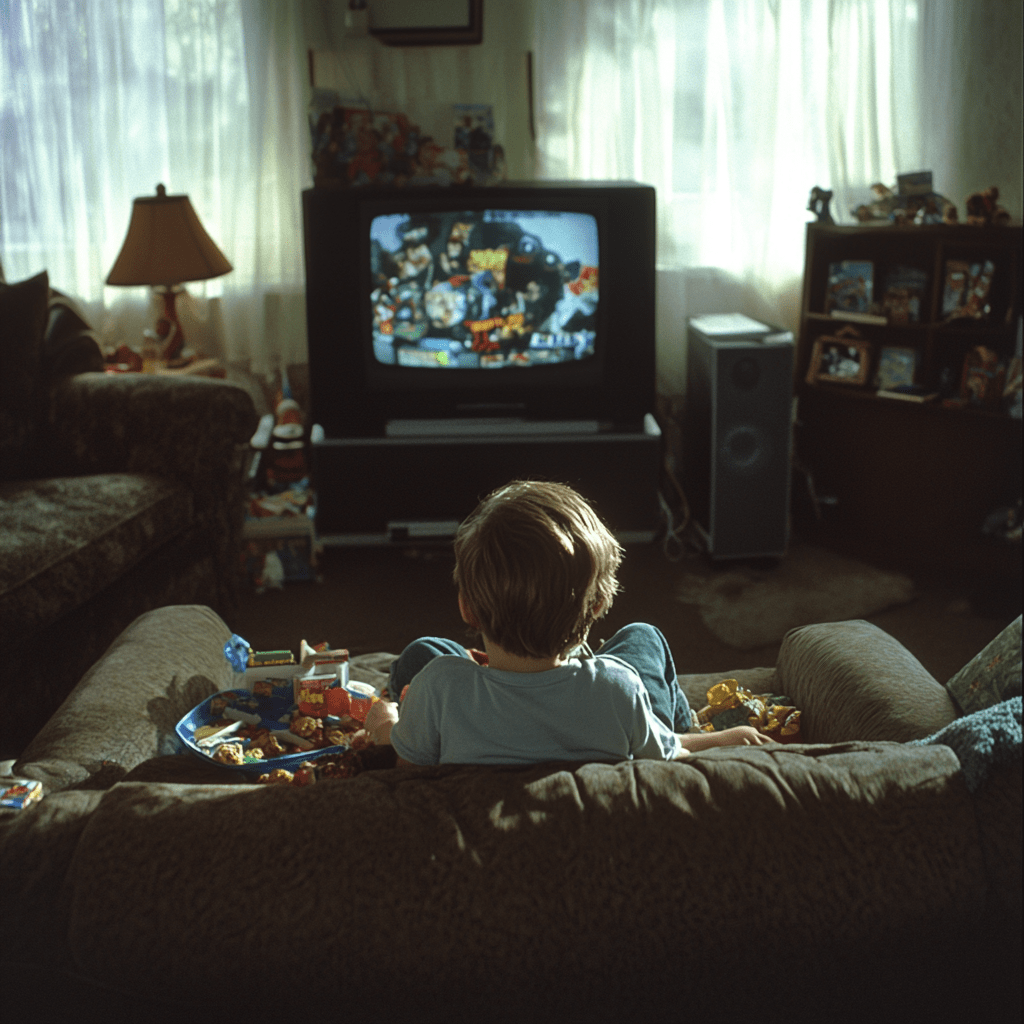
TASK 2: Some people believe that watching TV is bad for children, while others claim it has positive effects for children as they grow up. Discuss both views and give your own opinion
Band 6.0-6.5 Version
Introduction
Some people think watching TV is harmful to children, while others believe it can have positive effects. In this essay, both views will be discussed, and I will give my opinion.
Body Paragraph 1
On the one hand, watching TV can be bad for children. One reason is that too much screen time can lead to health problems. For example, children may spend long hours in front of the TV, which can result in a lack of physical activity. This can cause obesity and other health issues. Additionally, children may be exposed to inappropriate content, such as violent or adult themes, which can negatively affect their behavior.
Body Paragraph 2
On the other hand, TV can also have positive effects. Educational programs, for instance, can help children learn new things. Channels like National Geographic or Discovery can teach children about science, animals, and history. Moreover, TV can be a source of relaxation for children. After a long day at school, watching cartoons or family shows can help them unwind and spend time with family members.
Conclusion
In my opinion, watching TV can have both positive and negative effects. However, it is important for parents to control the amount of time their children spend in front of the TV and monitor the content they watch. This way, children can benefit from TV without being negatively affected.
Band 7.0-7.5 Version
Introduction
There are differing opinions on whether watching TV is harmful or beneficial for children. While some argue that it leads to negative outcomes, others believe it has several positive effects on a child’s development. This essay will discuss both perspectives before presenting my own viewpoint.
Body Paragraph 1
Those who believe that TV is harmful for children emphasize the health and behavioral risks. Prolonged exposure to screens often results in a sedentary lifestyle, which increases the risk of obesity and related health problems. Moreover, children may come across inappropriate content, such as violence or adult themes, which can influence their behavior negatively. Studies have shown that children who watch violent shows are more likely to display aggressive tendencies in real life.
Body Paragraph 2
Conversely, others argue that television can be a valuable educational tool for children. Programs such as documentaries or educational cartoons can help children gain knowledge in a fun and engaging way. For instance, channels like National Geographic or PBS provide content that promotes learning about science, nature, and even basic moral lessons. Additionally, watching TV can serve as a bonding activity for families, where parents and children can spend time together discussing what they watch.
Conclusion
In my view, television can be both beneficial and harmful, depending on how it is used. Parents should regulate both the amount of time their children spend watching TV and the type of content they are exposed to. When used appropriately, television can be a valuable source of education and entertainment.
Band 8.0-8.5 Version
Introduction
The impact of television on children has long been a topic of debate, with some believing that it has detrimental effects on their development, while others see it as a valuable educational and recreational tool. This essay will discuss both sides of the argument and offer my perspective on the matter.
Body Paragraph 1
On the negative side, prolonged television watching can contribute to various physical and mental health problems in children. Spending excessive time in front of the screen encourages a sedentary lifestyle, which can lead to obesity, poor posture, and vision issues. More concerning is the exposure to inappropriate content, including violence, mature themes, and consumerism, which can shape children’s values and behaviors in harmful ways. Numerous studies have shown that children who watch violent programs are more prone to developing aggressive behavior, and those exposed to frequent advertisements may develop materialistic attitudes.
Body Paragraph 2
Conversely, advocates of television for children point out its educational potential. Many programs are designed specifically to promote learning, and when carefully selected, they can enhance a child’s cognitive and social development. Educational channels like National Geographic and BBC Earth offer engaging content that stimulates curiosity about the natural world, science, and history. Additionally, interactive programs encourage problem-solving and language development in young viewers. Beyond education, television can also facilitate family bonding, as watching and discussing programs together can promote meaningful conversations and shared experiences.
Conclusion
In conclusion, television can have both positive and negative effects on children. While it has the potential to be a powerful educational resource, it can also be harmful if not monitored carefully. I believe that, with proper guidance from parents, television can be a valuable tool in a child’s upbringing, as long as it is balanced with other activities and used in moderation.
Breakdown of Differences
- Sentence Complexity:
- Band 6.0-6.5: Sentences are straightforward with basic structures. The focus is on clarity rather than complexity.
- Band 7.0-7.5: The essay uses more complex sentence structures, such as compound and complex sentences, with better flow.
- Band 8.0-8.5: Sentences are varied, with compound-complex structures. The language flows naturally, and sentences are more sophisticated.
- Vocabulary:
- Band 6.0-6.5: Vocabulary is simple, using common words like “bad,” “good,” and “watch.”
- Band 7.0-7.5: A broader range of vocabulary is used, such as “harmful,” “beneficial,” “bonding activity.”
- Band 8.0-8.5: Advanced vocabulary is applied, including terms like “materialistic attitudes,” “cognitive development,” and “interactive programs.”
- Analysis and Depth:
- Band 6.0-6.5: The analysis is basic and focuses on describing the two sides without going into much depth.
- Band 7.0-7.5: There is some depth in the discussion, with more analysis of the effects and more thoughtful consideration of both sides.
- Band 8.0-8.5: The essay provides in-depth analysis, drawing on evidence such as studies and specific examples, and offering a nuanced discussion of both viewpoints.
- Linking Devices:
- Band 6.0-6.5: Basic linking words are used, such as “on the other hand” and “in conclusion.”
- Band 7.0-7.5: A wider range of cohesive devices is employed, such as “conversely,” “advocates argue,” and “more concerning.”
- Band 8.0-8.5: Linking words and phrases are sophisticated and varied, enhancing the flow of ideas, such as “while,” “advocates point out,” and “beyond education.”
- Length and Structure:
- Band 6.0-6.5: The essay meets the word limit but is concise and may lack additional supporting details.
- Band 7.0-7.5: The essay is more developed, with detailed explanations and supporting evidence.
- Band 8.0-8.5: The essay is well-developed and balanced, with thorough analysis, examples, and explanations.
Discover more from Viva English Academy
Subscribe to get the latest posts sent to your email.
 Viva English Academy